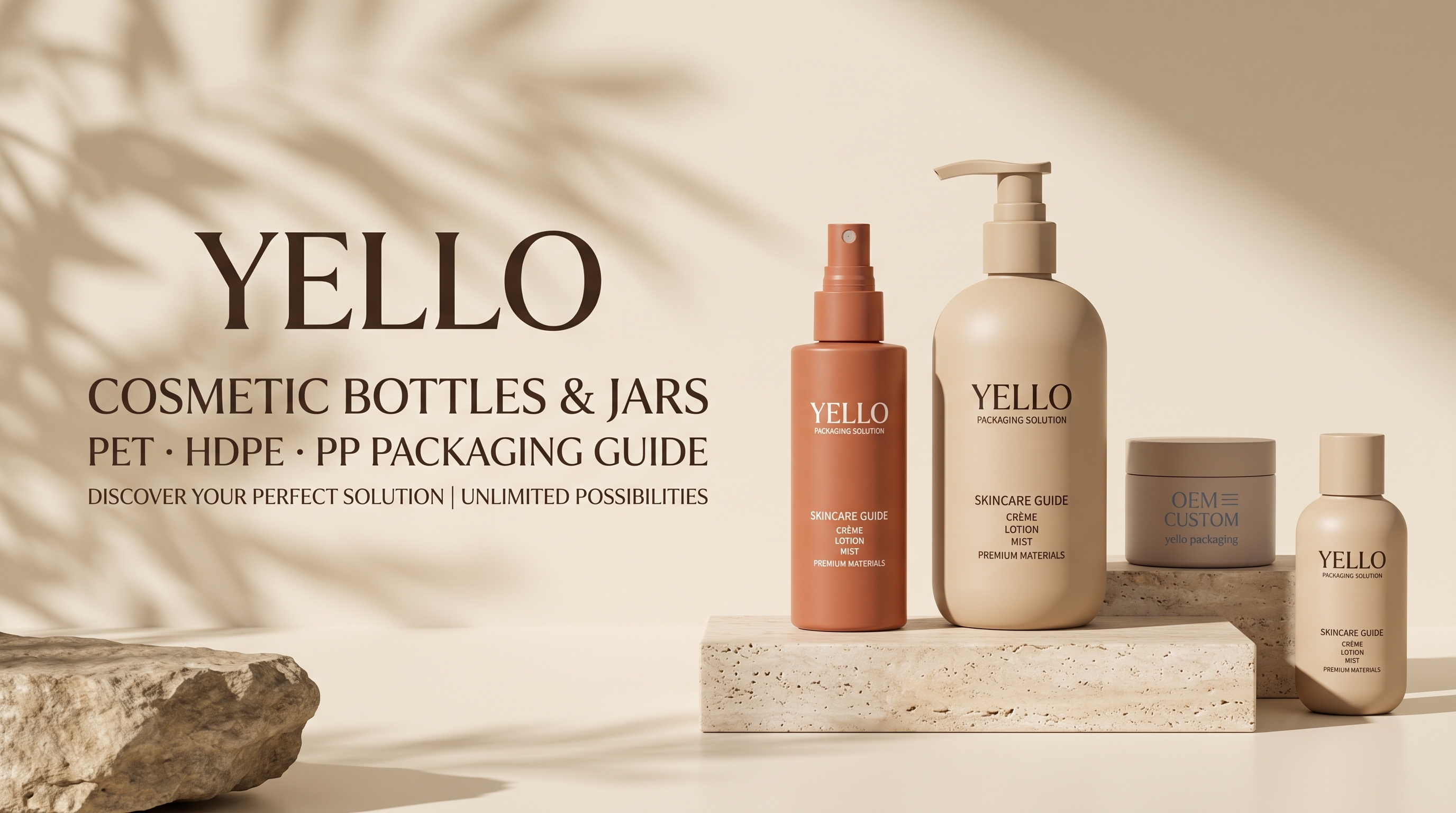
 When launching a new skincare line or upgrading an existing product, packaging is far more than an aesthetic casing—it is the frontline preservation system for your active formulation.
For brand owners, product developers, and procurement managers, selecting between PET, HDPE, and PP for plastic bottles and cosmetic jars is often one of the earliest and most critical technical decisions. Choosing the wrong plastic resin can lead to formula discoloration, active ingredient breakdown, stress cracking, or leaky pumps during transit.
In this guide, we break down the material characteristics, chemical compatibility, shelf appeal, and dispensing mechanics of PET, HDPE, and PP to help you make the right choice for your cosmetic line.
| Feature | PET (Polyethylene Terephthalate) | HDPE (High-Density Polyethylene) | PP (Polypropylene) |
|---|---|---|---|
| Visual Clarity | Glass-like transparency | Translucent / Milky White | Semi-translucent to Opaque |
| Moisture Barrier | High | Superior | Superior |
| Oxygen Barrier | Medium to High | Moderate | Low to Moderate |
| Chemical Resistance | Good for oils & mild acids | Excellent across acids & bases | Outstanding against oils & chemicals |
| Drop Resistance | High (shatter-proof) | Extremely High (flexible & tough) | High (crack-resistant) |
| Best-Fit Products | Serums, Toners, Clear Lotion Bottles | Shampoos, Conditioners, Body Washes | Double-wall Cream Jars, Scrub Jars, Caps |
| Recycling Code | #1 (Widely Recyclable) | #2 (Widely Recyclable) | #5 (Recyclable) |
If your formulation relies on shelf aesthetics—such as pastel serums, translucent toners, or micellar cleansing waters—PET (Polyethylene Terephthalate) is the top choice. It delivers glass-like brilliance while being lightweight and completely shatter-proof, significantly reducing transit damage and shipping expenses.
Known for its robust moisture barrier and flexible structure, HDPE (High-Density Polyethylene) is widely used for larger personal care and salon-grade containers. Its dense composition prevents formula permeation and avoids container denting.
When you need rigid container walls, exceptional thermal resistance, and repeated hinge flexibility, PP (Polypropylene) is the premier resin. It withstands higher filling temperatures (over 100°C / 212°F), making it suitable for hot-poured balms and dense pomades.
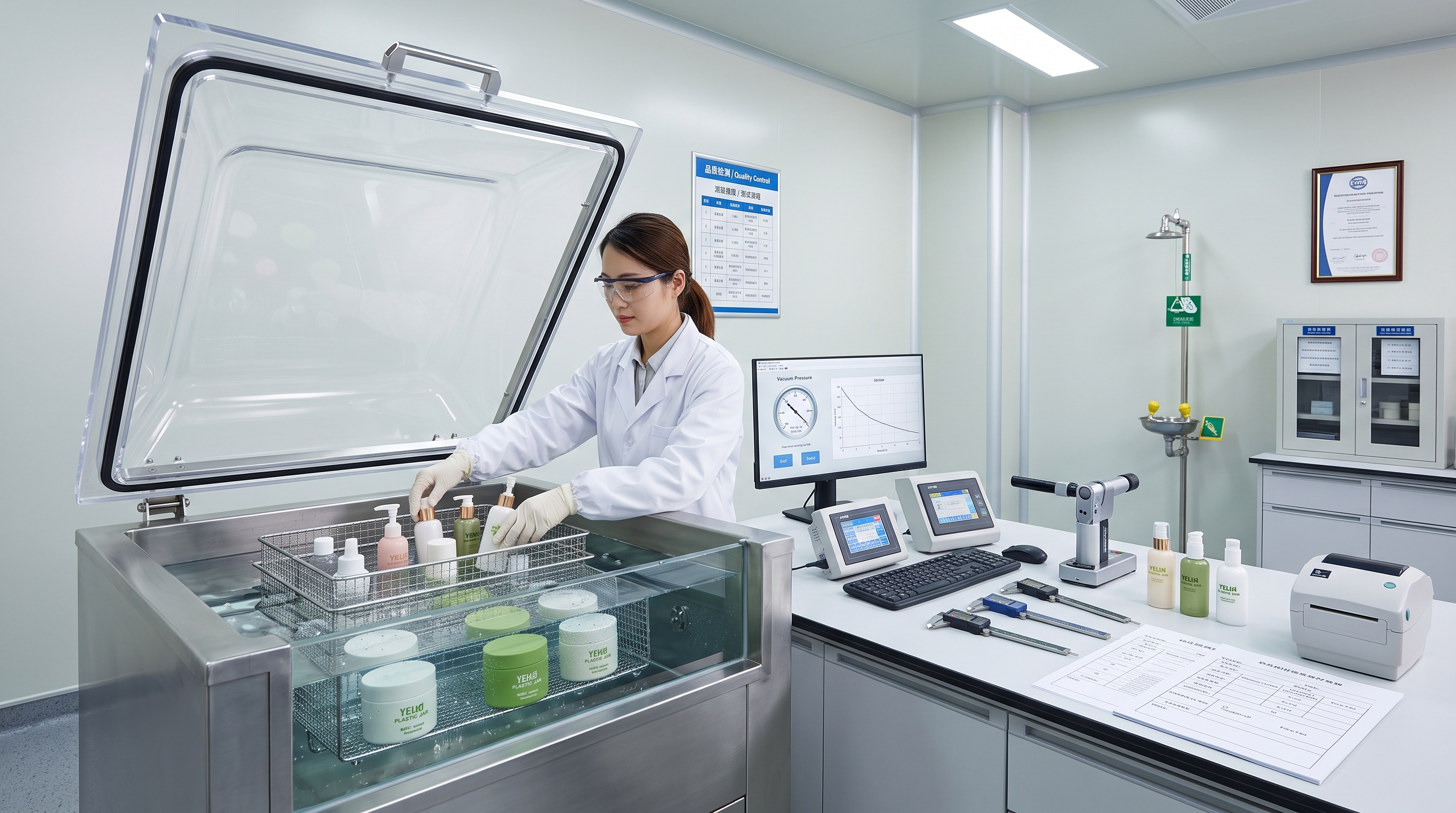 4. Critical Quality Tests to Request Before Mass Production
Prior to bulk shipping, ensure your packaging supplier conducts these four factory quality controls:
With over 20 years of dedicated cosmetic packaging manufacturing experience, Guangzhou YELLO Packaging provides turnkey OEM/ODM services—ranging from custom mold development and 3D modeling to tailored surface finishing (matte spraying, silk screening, and hot foil stamping).
Need sample bottles or jars for formulation testing?
Contact our engineering and sales team at sales3@yellopackaging.com or visit our Contact Page to request a complimentary sample kit today!


